If you’re buying a new washing machine, one of the first decisions you’ll need to make is whether to choose an integrated or freestanding model.
Both do the same fundamental job, but there are important differences when it comes to installation, appearance, choice, price and replacing your machine in the future.
At Wellingtons Electrical, we help customers choose washing machines every day, so here’s what you need to know before deciding.
What is a freestanding washing machine?
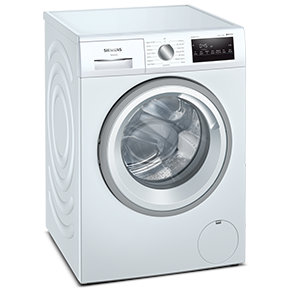
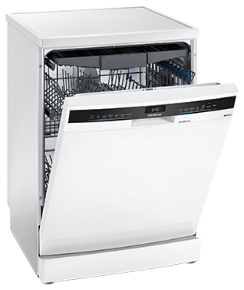
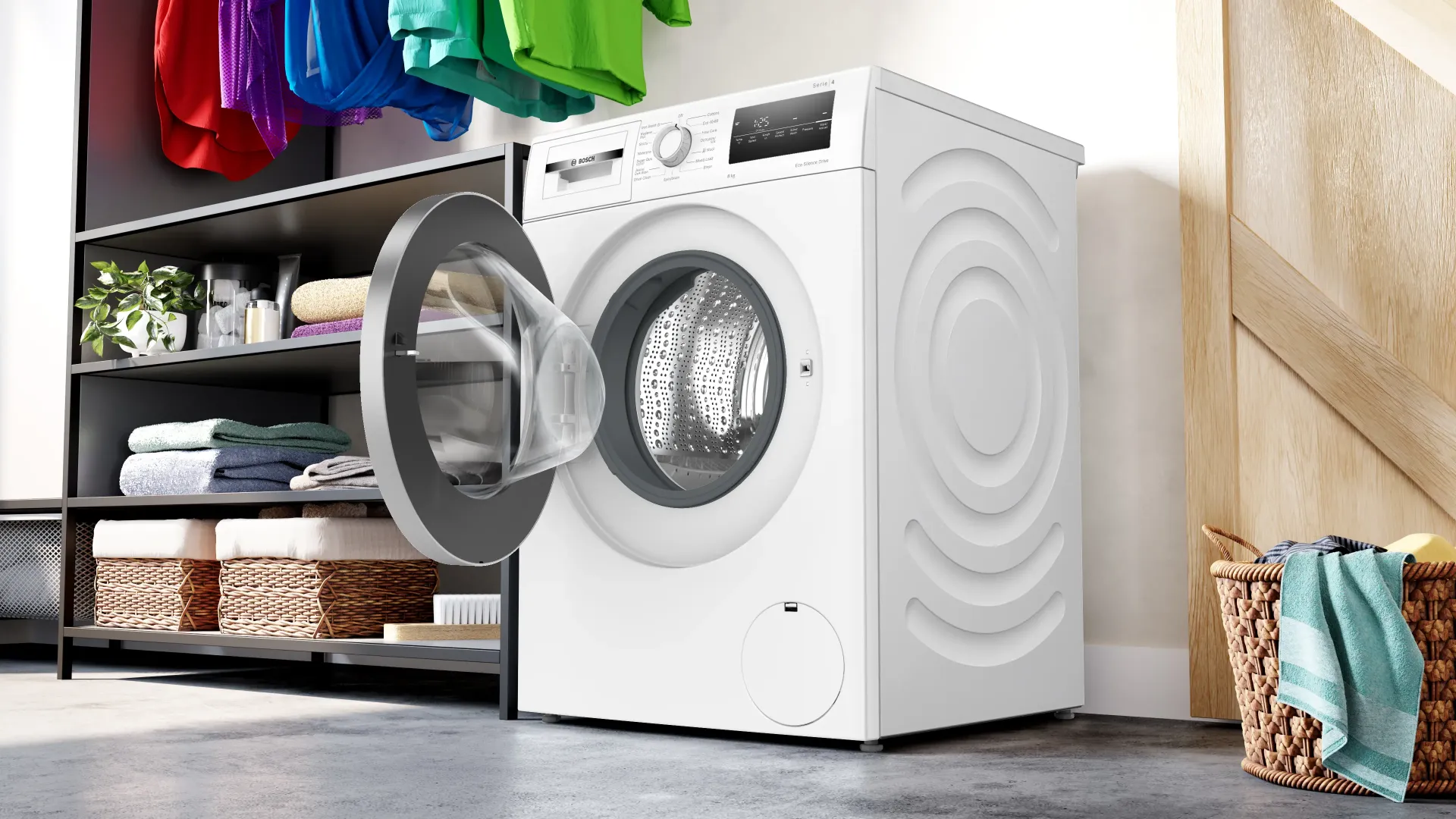
A freestanding washing machine is the type most of us are familiar with. It’s designed to stand independently, usually underneath a kitchen worktop or in a utility room.
The front of the appliance remains visible and you can choose from a wide range of sizes, capacities, colours and specifications.
One of the biggest advantages is flexibility. Provided you have the appropriate plumbing and electrical connections, a freestanding washing machine can be positioned wherever you have a suitable space.
Advantages of a freestanding washing machine
Freestanding washing machines generally offer:
- A much wider choice of models
- More choice of drum capacities and features
- Easier installation and replacement
- Options at a wider range of price points
- Easier access if the appliance needs servicing
- No kitchen cabinet door or specialist fittings required
If practicality and choice are your priorities, freestanding is often the best option.
What is an integrated washing machine?
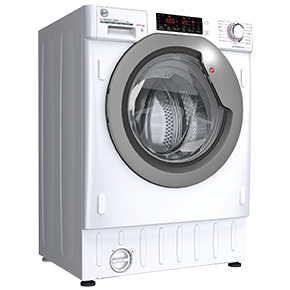
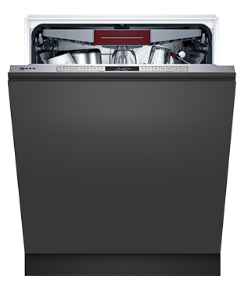
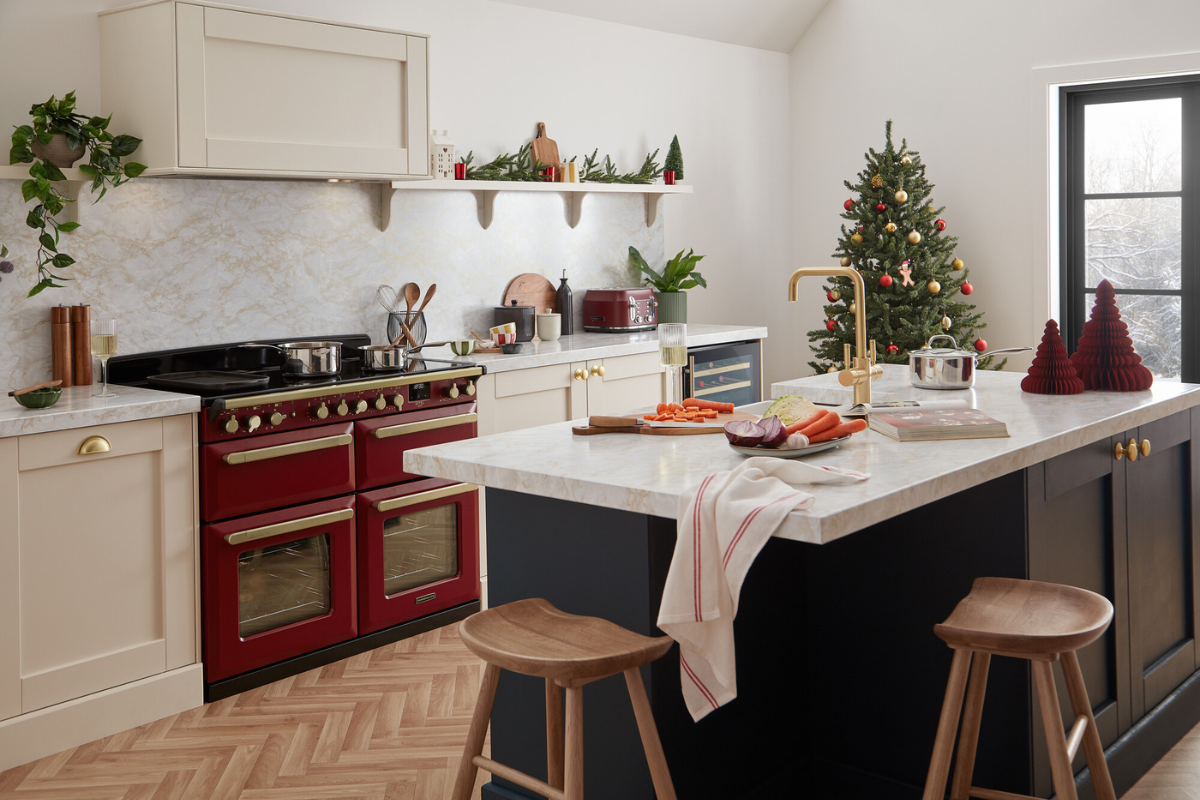
An integrated washing machine is designed to sit inside your kitchen cabinetry, with a matching cupboard door fitted to the front.
When the door is closed, the washing machine is hidden from view, creating a more seamless kitchen design.
This makes integrated models particularly popular in open-plan kitchens or homes where maintaining a consistent kitchen finish is important.
Advantages of an integrated washing machine
The biggest benefit is appearance.
Your washing machine is concealed behind your kitchen cabinetry rather than becoming part of the room visually. This can be particularly useful if your washing machine needs to be located in your main kitchen rather than a separate utility room.
However, integrated washing machines usually offer a smaller choice of models than their freestanding equivalents and installation is more involved.
Are integrated washing machines the same size as freestanding models?
Not necessarily.
While both are designed to fit into typical kitchen spaces, you shouldn’t assume that an integrated and freestanding washing machine are interchangeable.
Integrated machines are specifically designed to accommodate a furniture door and the surrounding cabinetry. Dimensions can also vary between individual models.
Always check the width, height and particularly the depth of the available space before ordering a new washing machine.
This is especially important when replacing an existing integrated appliance, where hinges, plinths and cupboard doors also need to be considered.
Are integrated washing machines more expensive?
They can be.
You may pay more for an integrated washing machine with comparable specifications to a freestanding model, and you also need to consider the cost of installation.
Installing an integrated washing machine involves more than simply connecting the water supply and waste pipe. The kitchen furniture door needs to be fitted and aligned correctly so that everything opens and closes as it should.
For many customers, however, the streamlined appearance makes the additional cost worthwhile.
Which type gives me more choice?
Freestanding washing machines offer considerably more choice.
If you have particular requirements, such as a very large drum, specific smart features, a particular colour or a tighter budget, you are more likely to find what you need amongst freestanding models.
Integrated ranges still offer plenty of excellent options from leading manufacturers, but the overall selection is smaller.
Can I replace an integrated washing machine with a freestanding one?
Potentially, but it isn't always a straightforward swap.
Removing an integrated washing machine will leave the appliance visible and may require changes to the surrounding kitchen furniture, plinth or door.
Similarly, you can't simply put any freestanding washing machine behind a kitchen cupboard door. If you want the appliance completely concealed, you need a model specifically designed for integrated installation.
If you're changing from one type to another, it’s worth getting advice before ordering.
Which is better: integrated or freestanding?
There isn't one that's inherently better. It depends on your kitchen and what matters most to you.
Choose a freestanding washing machine if you want the widest choice, easier installation, greater flexibility and plenty of options at different budgets.
Choose an integrated washing machine if maintaining a seamless kitchen design is more important and you want the appliance hidden behind your cabinetry.
If you already have an integrated washing machine and are happy with your kitchen layout, replacing it with another integrated model is usually the most straightforward option.
What should I consider before buying?
Whichever type you choose, don't base your decision on appearance alone. Think about how you actually use your washing machine.
Consider the drum capacity you need, the programmes you'll genuinely use, energy efficiency, spin speed and noise levels, particularly if you have an open-plan kitchen.
And measure your space carefully. A washing machine being described as a "standard size" doesn't guarantee it will fit your particular space.
Need help choosing a washing machine?
At Wellingtons Electrical, we stock a wide range of integrated and freestanding washing machines from leading brands, and our experienced team can help you compare models and understand which features are worth paying for.
We can also help with delivery, professional installation and removal and recycling of your old appliance, making replacing your washing machine as straightforward as possible.
Visit our Erith or Bromley showroom to speak to our team and see selected models in person, or browse our washing machine range online.